
05/01/2025
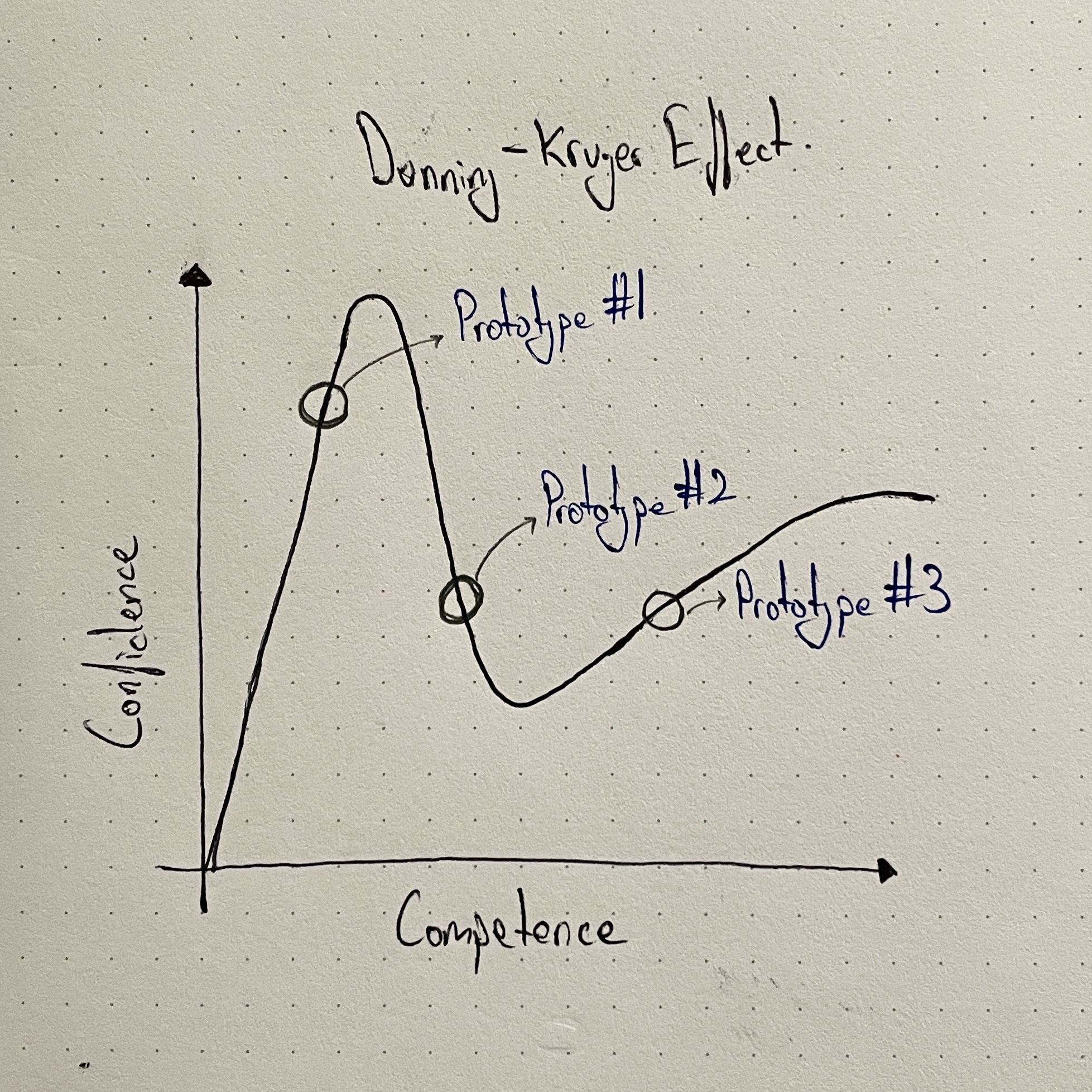
In the first play testing workshop of my first game, I watched as people tried to play my game for a couple of seconds before they quickly walked away. In the play testing of my third prototype, it felt like people seemed to take a genuine interest in the game, and people wanted more from the game; the end didn’t feel enough.

Although I’ve learned a lot about the technologies used, which by itself was a huge challenge considering I barely knew any Unity when I came here, I think that the biggest thing that I’ve learned across the last three prototypes is to learn how to think like a game designer.
Now, I often catch myself looking at everyday things, trying to figure out how a game can be made out of it, or just simply noticing human behaviour, whether it’s my own or someone else’s.
I think that when I started, I took the play testing feedback a bit too seriously, mostly because I knew somewhere deep inside that I wasn’t a game designer. And now I genuinely want to know why people are doing what they are doing, and how I can improve this experience that I am creating.
The two books that I think I’m really going to carry with me when I design games in the future are ‘Making Deep Games’, and ‘A Book of Surrealist Games’ (Brotchie 1995). Both of these games have changed my approach to making games in a big way. While designing games, I often think about how every mechanic, button, timer, power-up, etc., plays with the core of what the game is meant to be.
Somewhere, I also want games to make the player realise something about themselves and their own surroundings. This kind of approach to making games almost makes me feel like I am playing with a general understanding of human behaviour and expecting different, but most importantly, aligned and intended results with each playtest.
I’ve also reflected on this before, but I think I have a problem where I often forget if my game is even fun at the end of the day, and that is something that I need to work on. I try my very best to make sure I can always see if my game is fun, and if its objective is clear.
Another huge learning for me is that I lack in-game feel. With the fast-paced nature of GAM712, it was difficult for me to jam in some time for myself to read the books that were recommended. But something that’s on my list is to read Steve Swink’s Game Feel book (Swink 2019) properly, and make my own notes of the whole book the same way I treated Jesse Schell’s book.
Leave a Reply